Complex Restorative Dentistry
Comprehensive restorative planning for fractured teeth, worn dentitions, failing dentistry, bite concerns, and multidisciplinary cases.
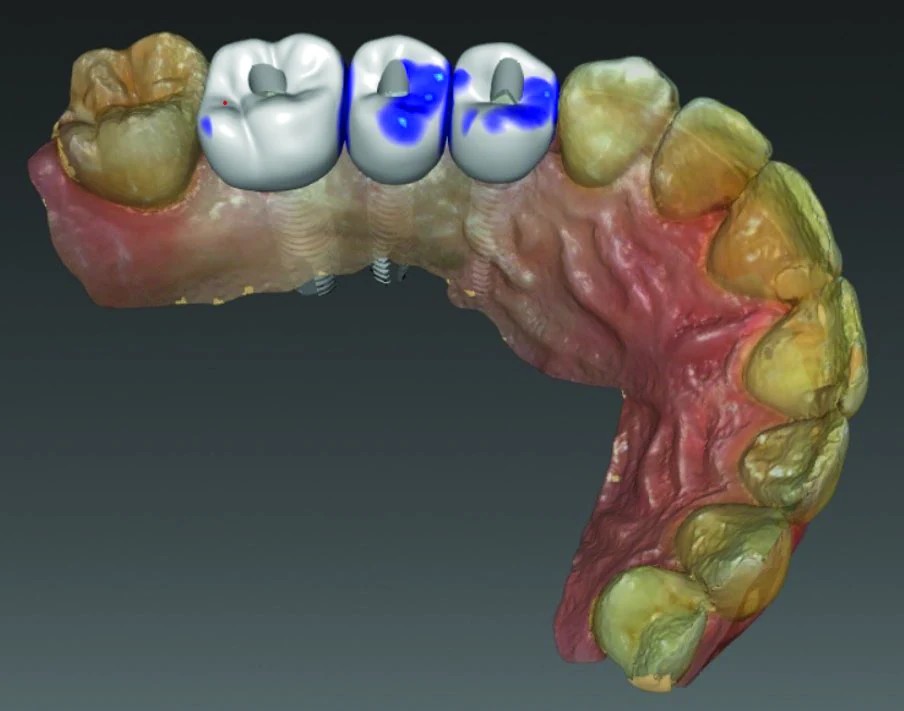
Complex restorative care coordinates many variables.
Patients with fractured teeth, extensive wear, multiple old restorations, missing teeth, bite changes or implant needs often benefit from a comprehensive sequence rather than isolated repair.
- Structural assessment
- Bite and functional evaluation
- Periodontal and biological risk
- Aesthetic planning
- Implant coordination
- Provisional and staged treatment
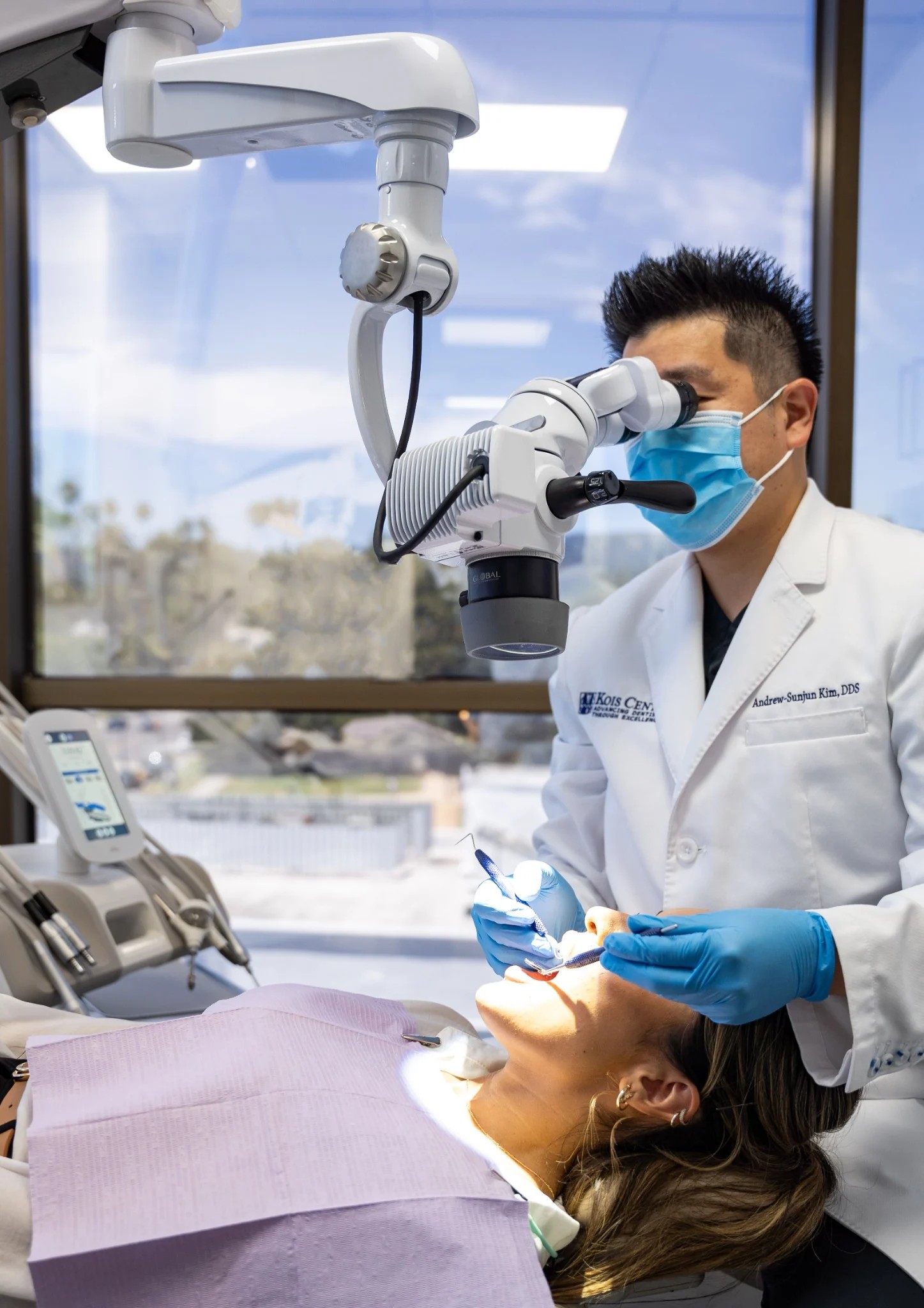
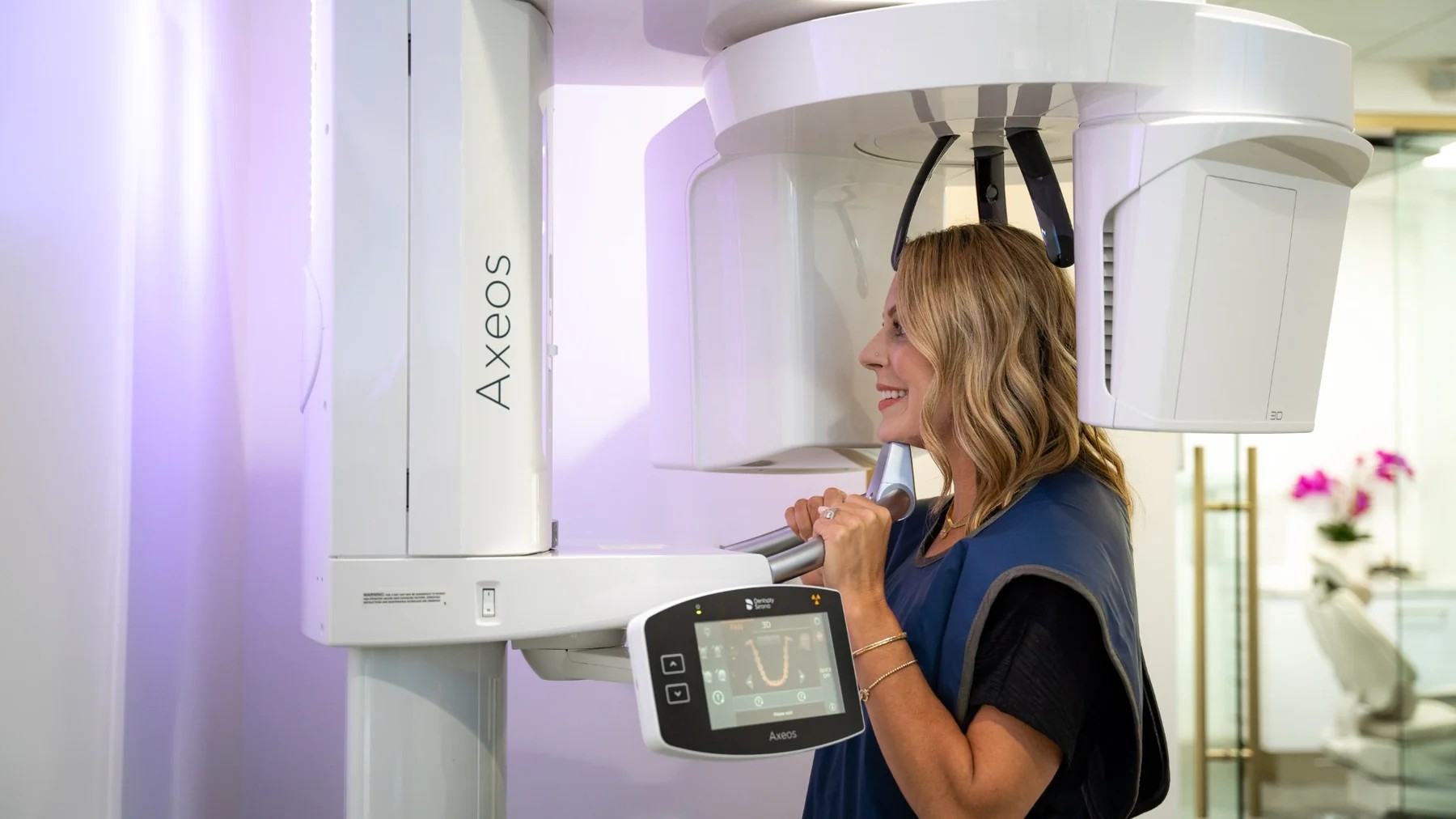
The visible problem is not always the underlying problem.
Repeated fractures or failures may reflect tooth structure, material limitations, bite forces, decay risk, periodontal disease, habits or a combination of factors.
A good plan creates decision points.
For extensive cases, provisional stages can be used to evaluate function, aesthetics, hygiene and patient adaptation before definitive treatment.
What patients ask about complex restorative dentistry
What makes a dental case complex?
Complexity can come from the number of teeth involved, previous dental work, tooth wear, missing teeth, bite changes, periodontal issues, aesthetic demands or the need to coordinate several types of treatment.
Should I repair one tooth at a time?
Sometimes yes. But when problems are interconnected, isolated repairs may not address the underlying cause. A comprehensive plan can clarify priorities and sequencing.
Can complex treatment be staged?
Yes. Many comprehensive cases are staged to manage risk, finances, healing, function and decision-making.