Full-Mouth Rehabilitation
Comprehensive full-mouth rehabilitation for patients with extensive wear, failing restorations, missing teeth, or complex bite concerns.
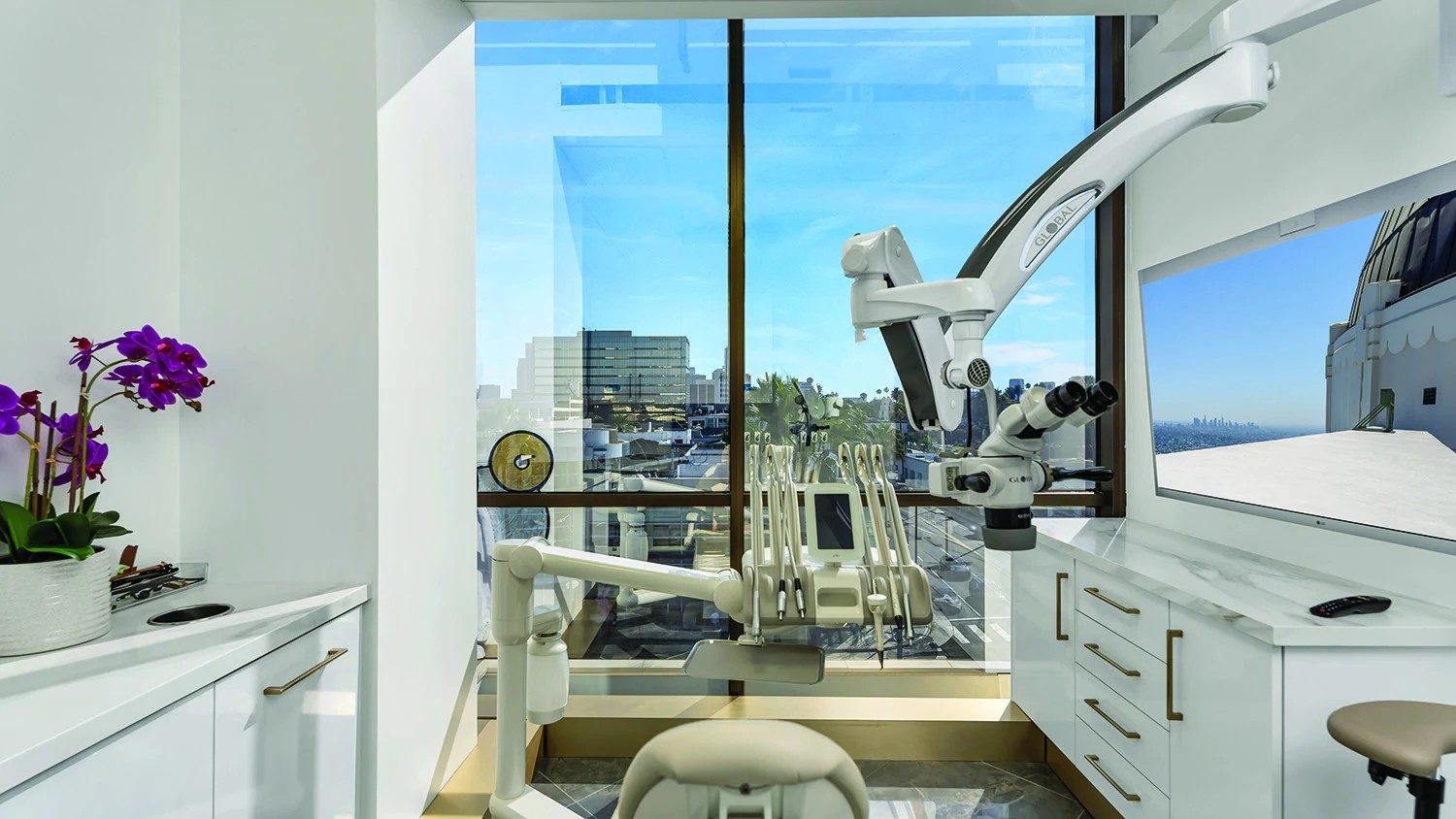
Complex dentistry requires a whole-mouth diagnosis.
Full-mouth rehabilitation may be considered when many teeth are worn, fractured, missing, heavily restored, failing, or affected by an unstable bite. The objective is to create a coordinated plan rather than treat each emergency in isolation.
- Extensive tooth wear
- Multiple failing restorations
- Collapsed or altered bite relationships
- Missing teeth
- Complex implant and restorative needs
- Aesthetic concerns across many teeth
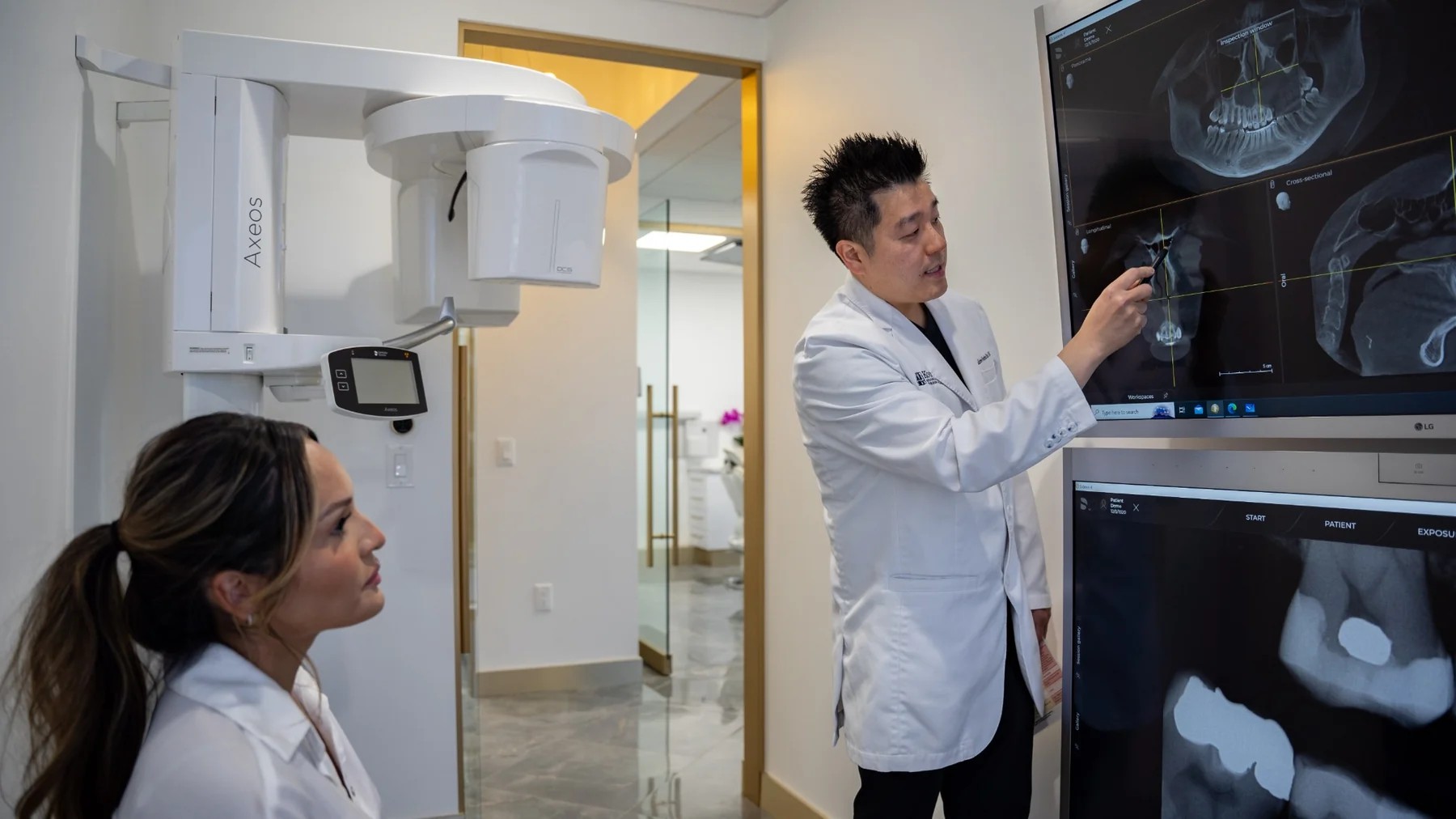
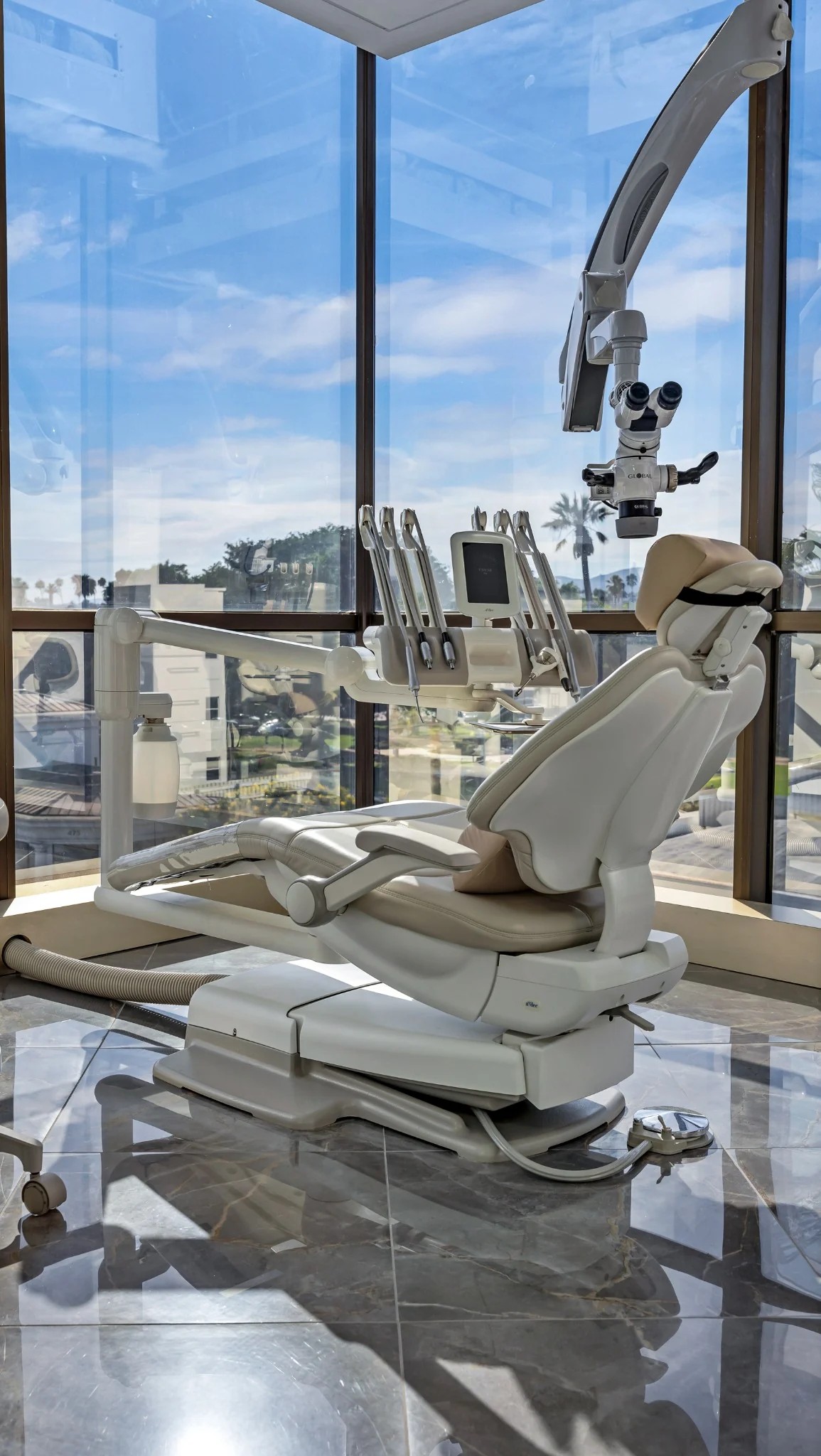
The sequence can be as important as the restorations.
A complex plan may include stabilization, hygiene or periodontal care, bite assessment, provisional treatment, implants, orthodontics, and definitive restorations. Staging can help manage biological risk and confirm important decisions before final ceramics.
Long-term success is a shared process.
Restorations experience forces every day. Home care, professional maintenance, protective appliances when appropriate, diet and parafunctional habits all influence longevity.
What patients ask about full-mouth rehabilitation
What is full-mouth rehabilitation?
It is coordinated treatment of many or most teeth to address extensive wear, damage, failing restorations, missing teeth, bite concerns and aesthetics.
Is full-mouth rehabilitation the same as a smile makeover?
They can overlap, but full-mouth rehabilitation usually has a stronger restorative and functional component. A smile makeover may be primarily aesthetic and may involve fewer teeth.
How is a complex case planned?
Planning may include clinical examination, photographs, digital scans, 3D imaging when indicated, bite analysis, diagnostic design and provisional stages before definitive treatment.
A thoughtful plan starts with a thorough diagnosis.
Coordinate function, biology and aesthetics.
Complex rehabilitation may combine digital records, occlusal assessment, implant planning and custom restorations. The magazine presents this as a start-to-finish approach in which each phase is designed around the final restorative goal.