Sedation Dentistry
Comfort-focused dentistry for anxious patients and complex treatment, with sedation options selected after medical evaluation.

Sedation can make care more manageable for selected patients.
Dental anxiety, a strong gag reflex, difficulty tolerating lengthy care, or the need for complex treatment can make comfort strategies especially important. Sedation options are considered only after an appropriate health review.
- Anxiety-focused planning
- Local anesthesia
- Oral sedation when appropriate
- IV sedation when appropriate and permitted
- Care coordination for complex cases
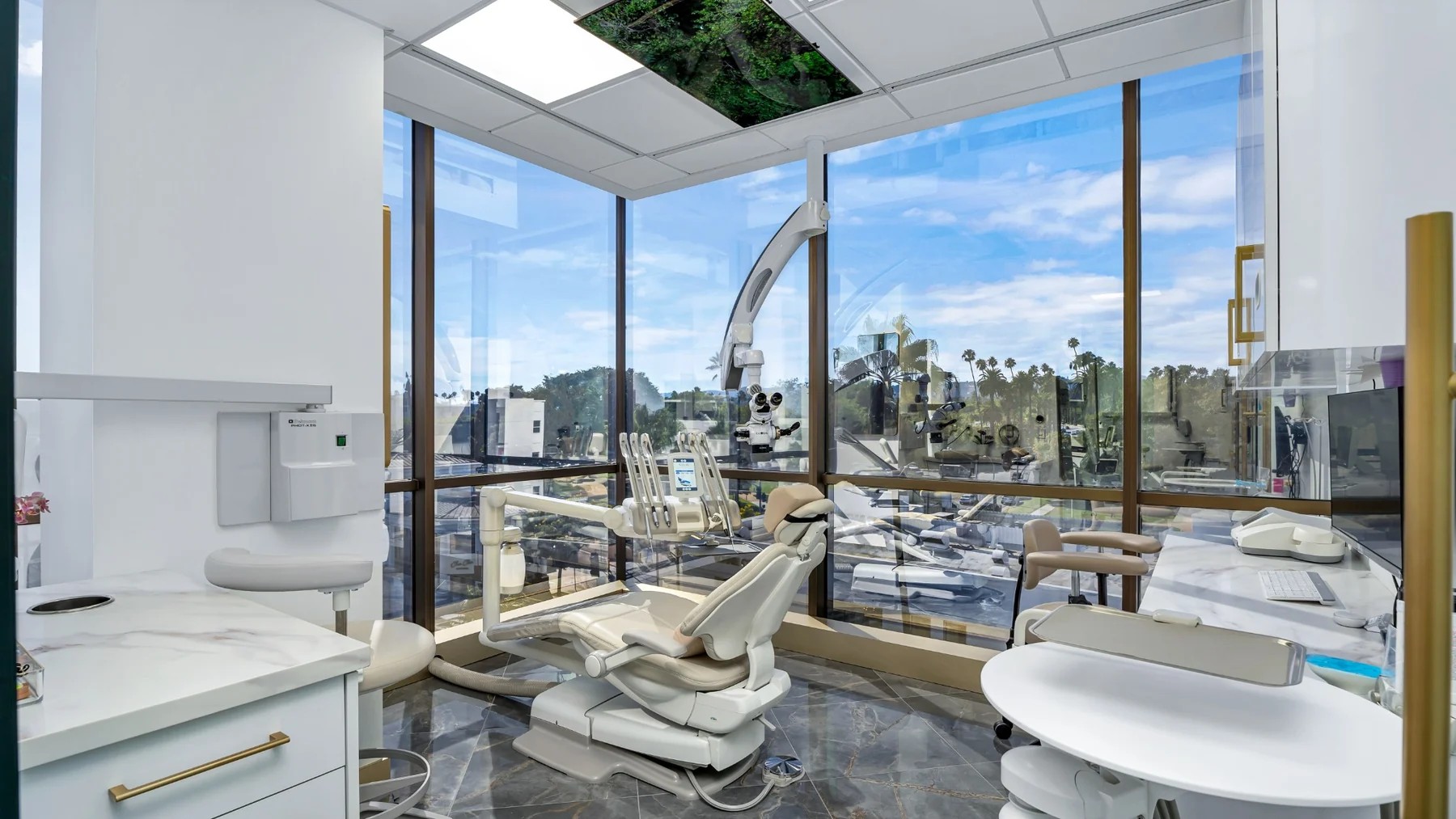
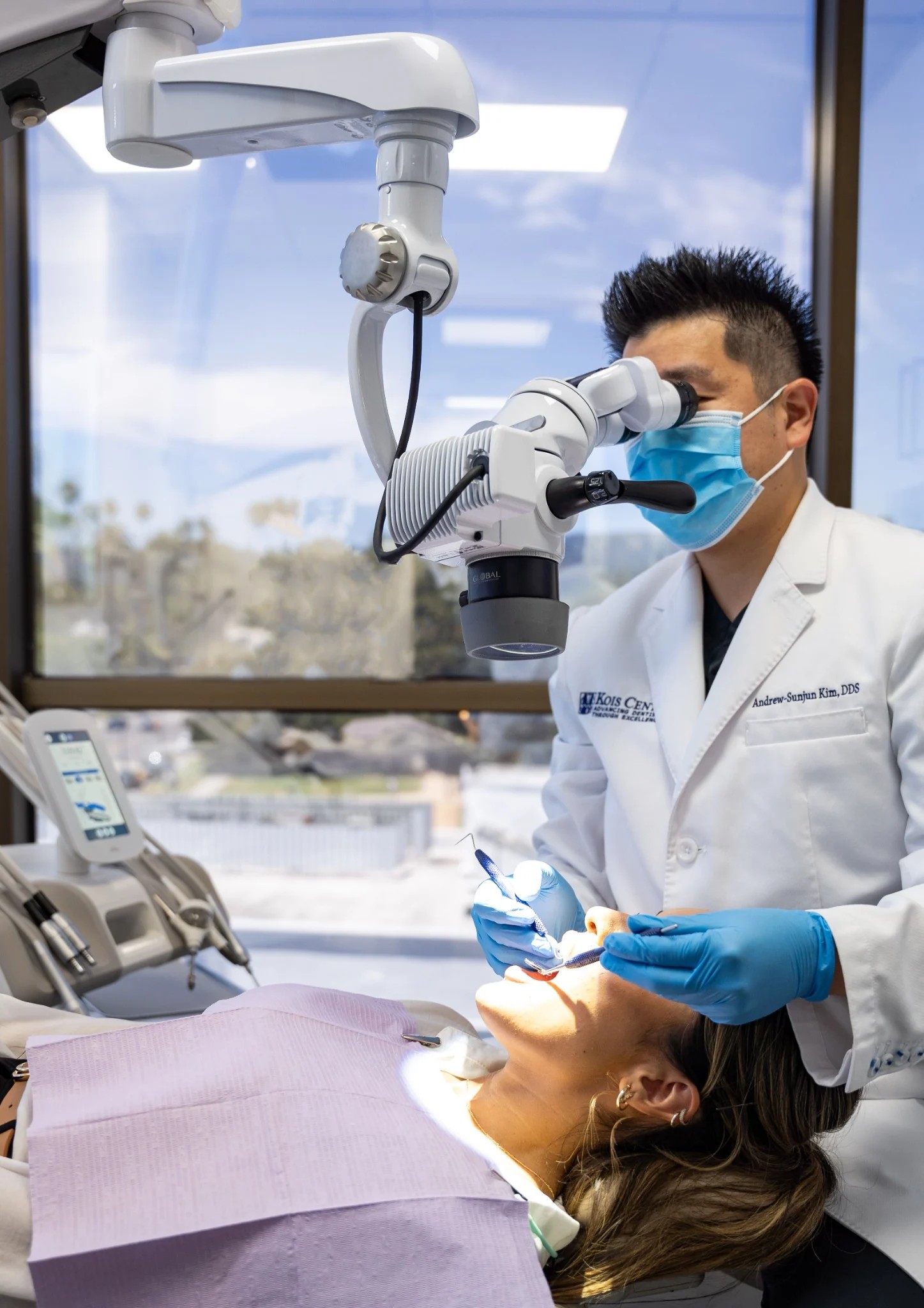
Medical assessment comes before sedation.
Sedation suitability depends on medical history, medications, airway considerations, procedure length and other factors. Patients may need preoperative instructions, an escort and activity restrictions after treatment.
Sedation does not replace local anesthesia or diagnosis.
Sedation addresses anxiety and awareness; local anesthesia is still used to control procedural discomfort. Treatment decisions remain based on clinical need.
What patients ask about sedation dentistry
Who may benefit from sedation dentistry?
Patients with significant dental anxiety, difficulty tolerating treatment, a strong gag reflex or complex treatment needs may benefit, subject to medical evaluation.
Can I drive after dental sedation?
Depending on the medication and depth of sedation, patients may require a responsible adult escort and should not drive or make important decisions for a specified period after treatment.
Is sedation dentistry safe?
Sedation has risks and requires appropriate patient selection, dosing, monitoring, emergency preparedness and compliance with professional regulations.
A thoughtful plan starts with a thorough diagnosis.
For patients who feel nervous about dental treatment.
The magazine describes a calm, private environment and IV conscious sedation for appropriately selected patients. Sedation recommendations require an individual medical and dental assessment, and monitoring protocols are tailored to the procedure and patient.