Dental Implants
Digitally planned dental implant treatment in Beverly Hills for single teeth, multiple teeth, and complex restorative cases.
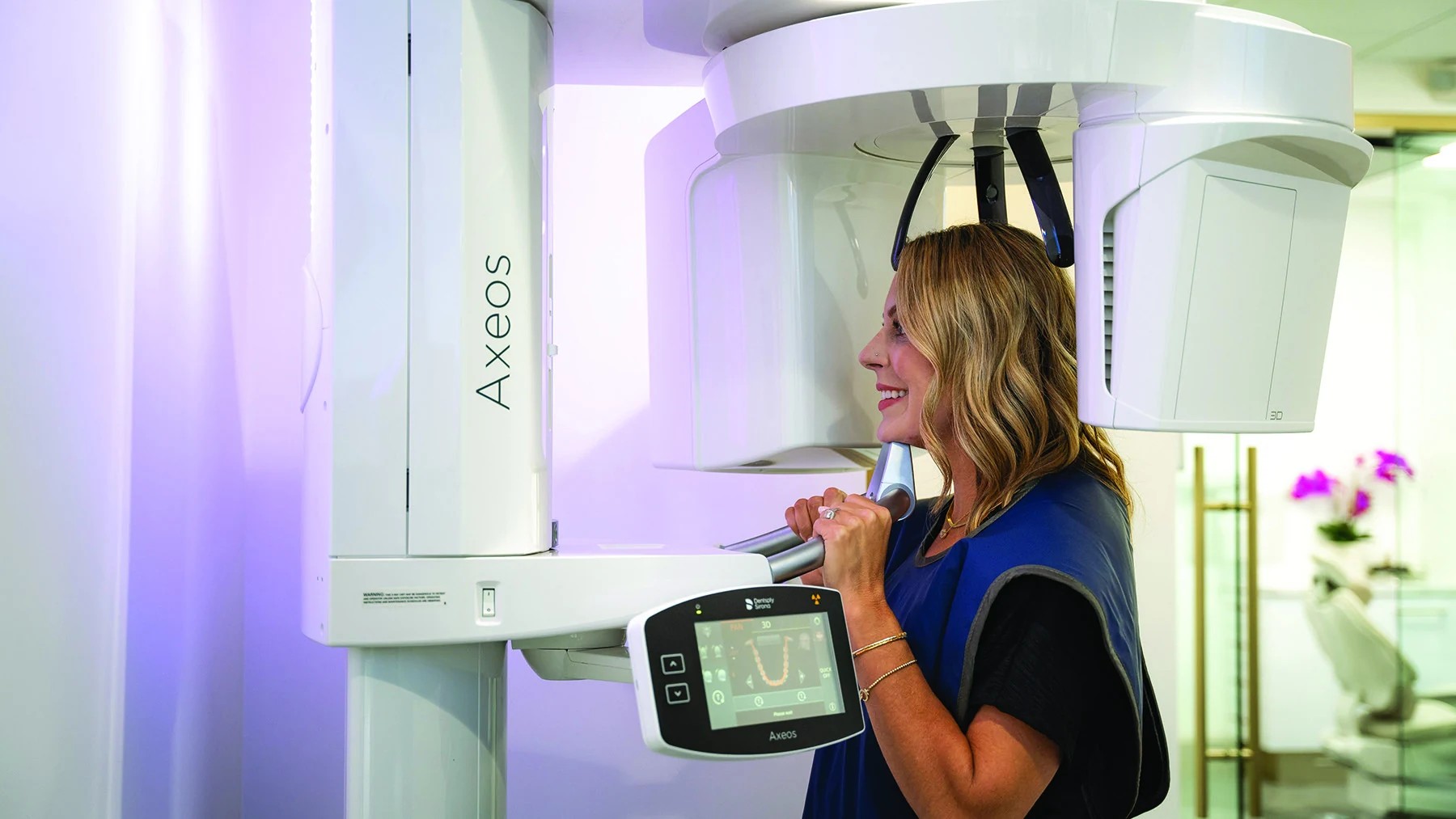
Implant dentistry begins with the restorative endpoint.
A dental implant replaces the root portion of a missing tooth; the visible tooth is restored with a crown or prosthesis. Planning should consider available bone, gum tissue, anatomy, bite, cleansability, aesthetics and the final restoration.
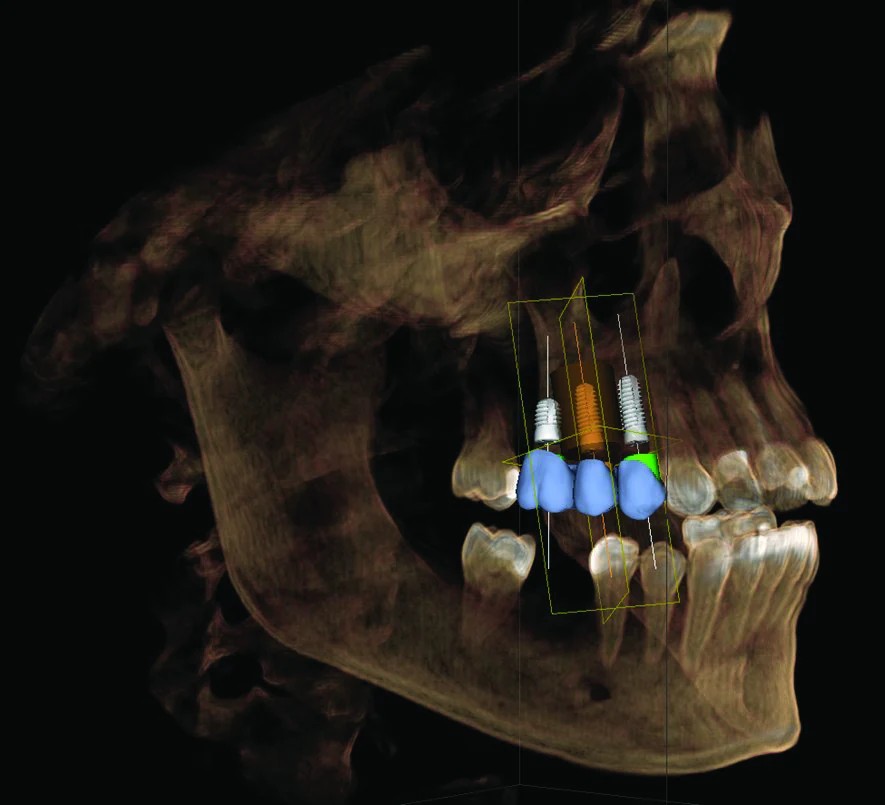
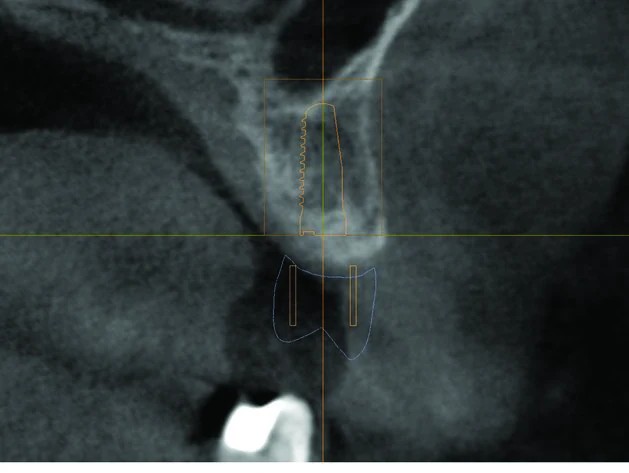
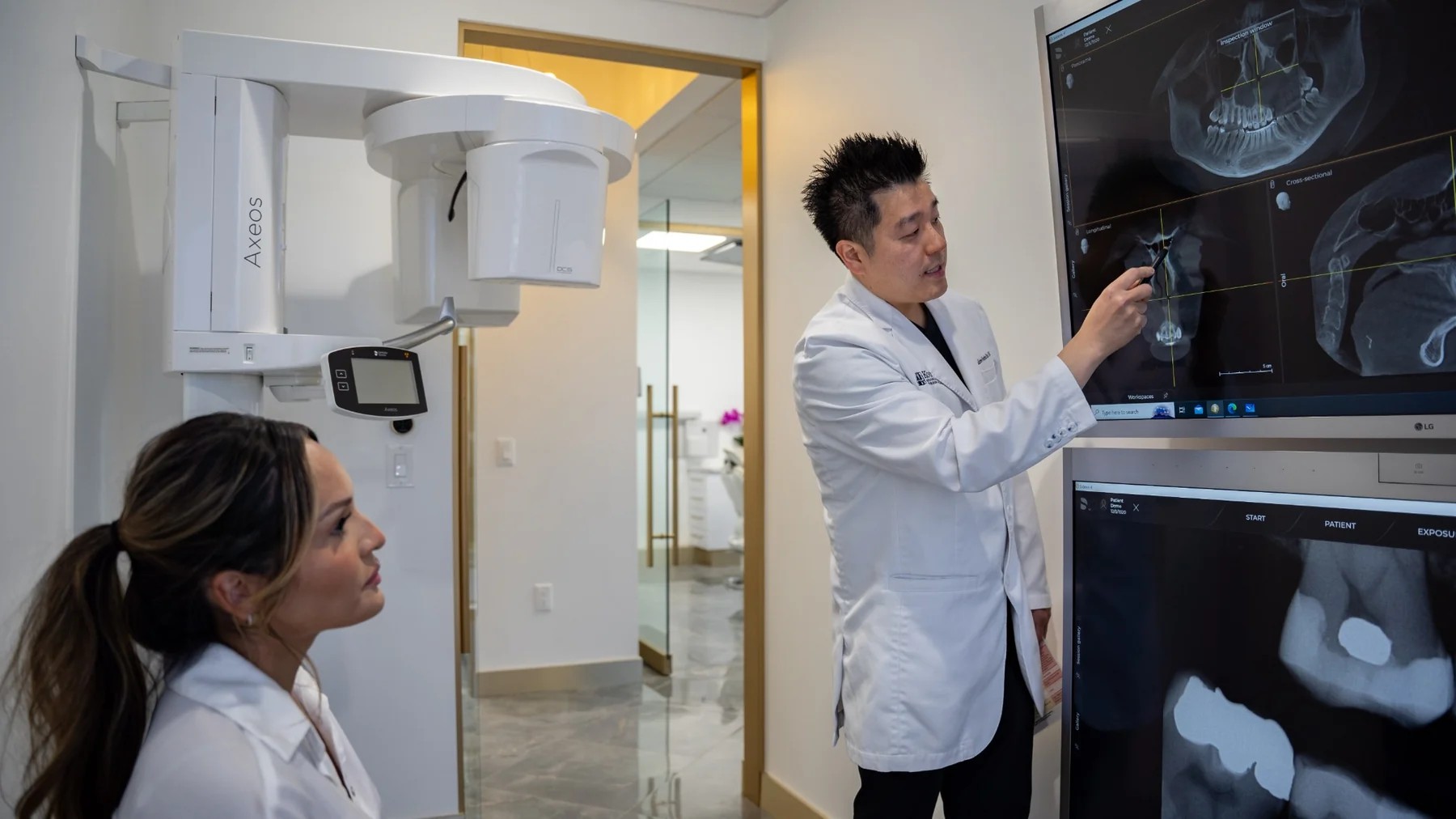
- 3D CBCT imaging when indicated
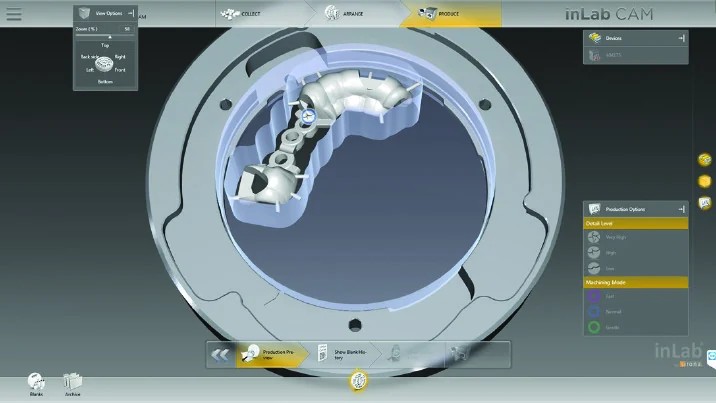
- Digital restorative planning
- Computer-guided surgery when appropriate
- Single-tooth implants
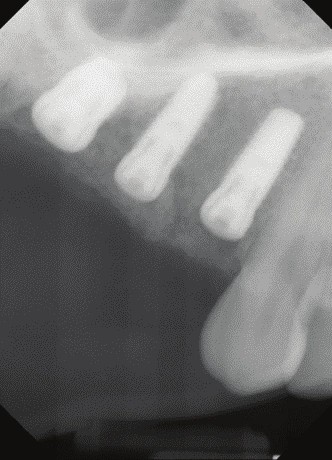
- Multiple-tooth implant restorations
- Complex restorative integration
Some implants can be placed immediately; others should not be.
Whether an implant is placed at the time of extraction depends on infection, bone, soft tissue, anatomy and the ability to achieve appropriate stability. Treatment timing is individualized after clinical and radiographic evaluation.
Implants require ongoing professional and home care.
Dental implants cannot decay, but the tissues and bone around them can develop inflammatory disease. Long-term maintenance and hygiene are essential.
What patients ask about dental implants
Am I a candidate for a dental implant?
Candidacy depends on general health, oral hygiene, bone and gum tissue, anatomy, smoking or other risk factors, and the restorative plan. A clinical examination and imaging are needed.
How long does a dental implant take?
The timeline varies by extraction needs, grafting, implant stability, healing and restoration type. Some cases are completed in fewer stages while others require months of healing.
Are dental implants permanent?
Implants are designed as long-term treatment, but no dental treatment is permanent. Implant components and surrounding tissues require lifelong maintenance.
A thoughtful plan starts with a thorough diagnosis.
Plan in three dimensions before treatment begins.