Dental Bridges
Fixed dental bridge treatment for selected missing-tooth situations, planned for function, cleansability, aesthetics, and long-term care.
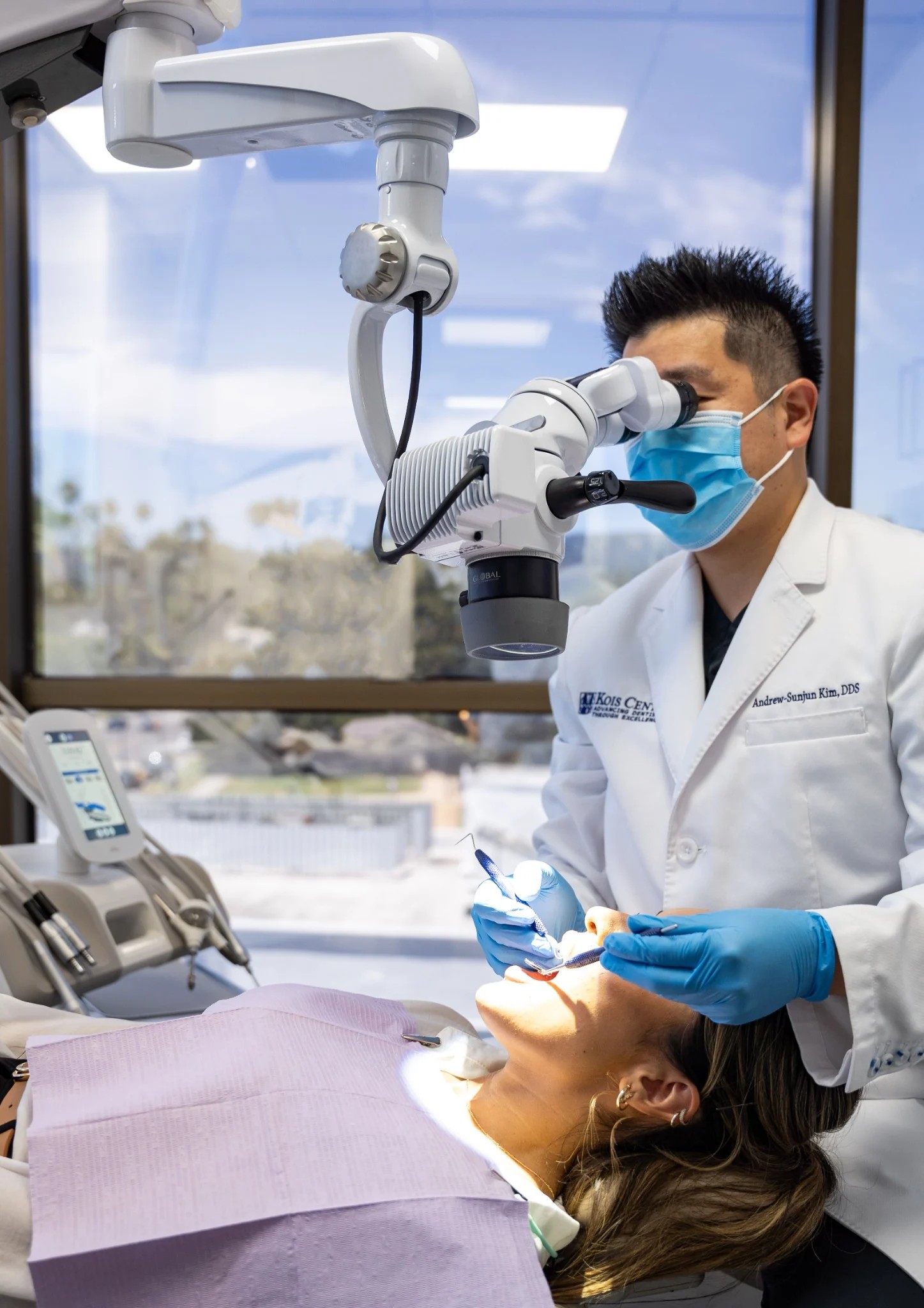
A fixed bridge can replace a missing tooth without a removable appliance.
A conventional bridge uses neighboring teeth for support. It may be appropriate when adjacent teeth already need restorations or when implant therapy is not preferred or suitable.
- Single missing-tooth replacement
- Ceramic bridge options
- Digital restorative planning
- Assessment of supporting teeth
- Hygiene access planning
Implants and bridges solve the problem differently.
An implant avoids preparing adjacent teeth but requires surgery and adequate tissue. A bridge avoids implant surgery but depends on the health and strength of supporting teeth. Neither is universally better.
Cleaning beneath a bridge is essential.
Special flossing aids, interdental brushes or other tools may be recommended to keep the area under the replacement tooth clean.
What patients ask about dental bridges
Bridge or implant: which is better?
The answer depends on the supporting teeth, bone, health, treatment time, surgical considerations, hygiene, aesthetics and patient preference.
Do bridges require preparing neighboring teeth?
Conventional fixed bridges usually require preparation of supporting teeth. Other bridge designs exist but have different indications.
How do I clean under a bridge?
Floss threaders, interdental brushes or other tools can be used under the replacement tooth; the hygiene method should be individualized.