Dental Crowns
Individualized ceramic crown treatment designed to restore damaged teeth with attention to fit, function, aesthetics, and tissue health.
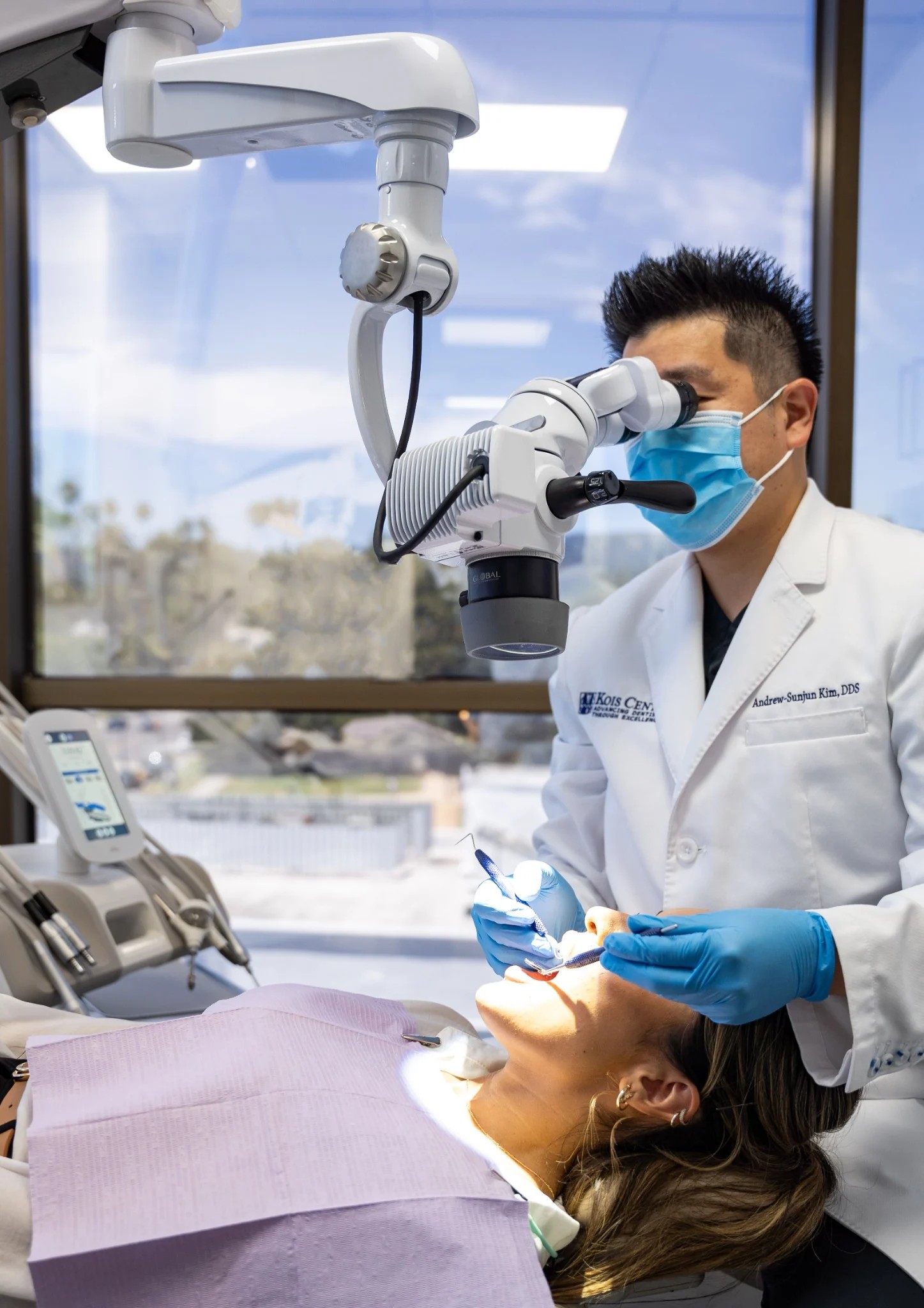
A crown restores a tooth when a direct filling is not enough.
Crowns may be recommended for teeth with extensive structural loss, fractures, large existing restorations, endodontic treatment, significant wear or certain aesthetic needs.
- Ceramic crown options
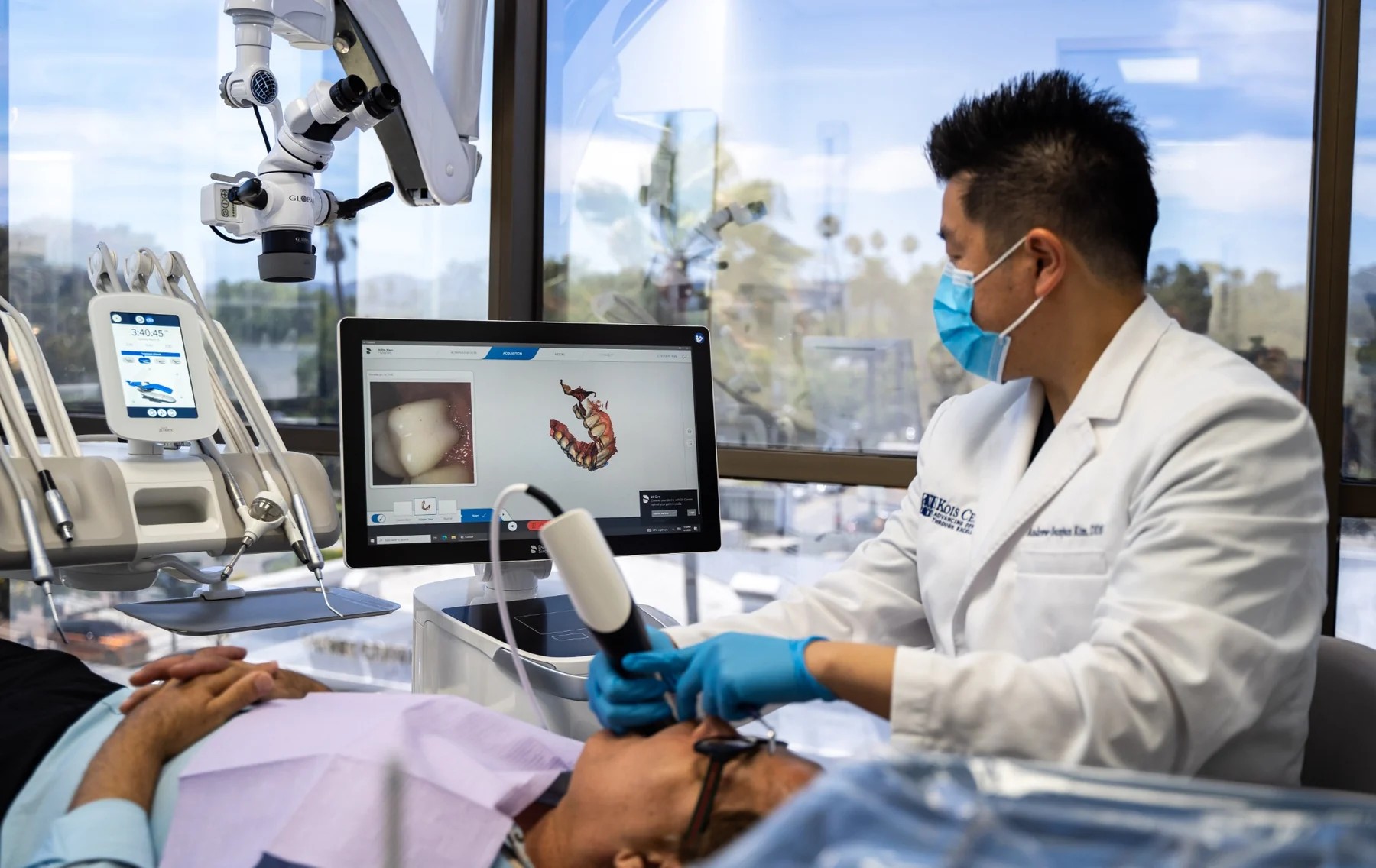
- Digital scanning
- Same-day CAD/CAM in selected cases
- Bite refinement
- Long-term maintenance planning
Not every damaged tooth needs a full crown.
Depending on remaining tooth structure and the defect, an onlay, overlay or bonded restoration may preserve more tooth structure. Treatment design is individualized.
A successful crown is more than a white tooth.
Margin quality, contour, contact, bite, cleansability, material thickness and the condition of the underlying tooth all matter.
What patients ask about dental crowns
When does a tooth need a crown?
A crown may be recommended when a tooth has extensive structural loss, fracture, a large restoration, certain root canal treatment, significant wear or other conditions that require more coverage than a filling.
What is the difference between a crown and an onlay?
A crown covers most or all of the visible tooth. An onlay or overlay can cover selected cusps while preserving more unaffected tooth structure when appropriate.
Can a crown be made the same day?
Selected cases may be completed with an in-office CAD/CAM workflow. Other cases may benefit from a different material or laboratory process.