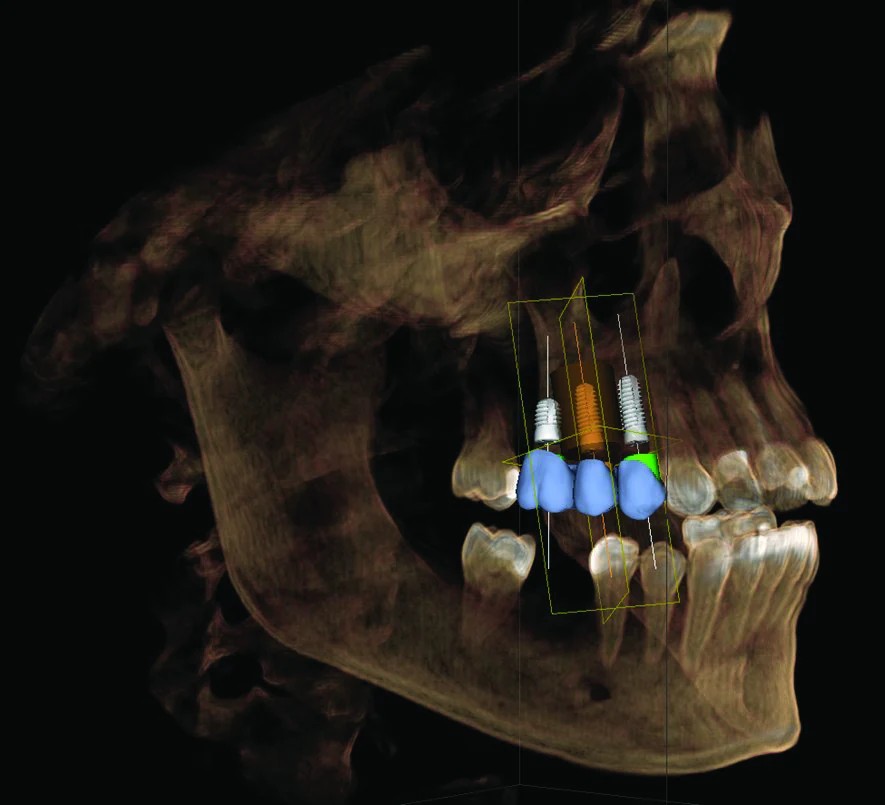
The implant’s three-dimensional position affects the final crown, gum contours, hygiene access and long-term mechanical forces. Good planning therefore works backward from the desired restorative result.
- Evaluate the final tooth position first.
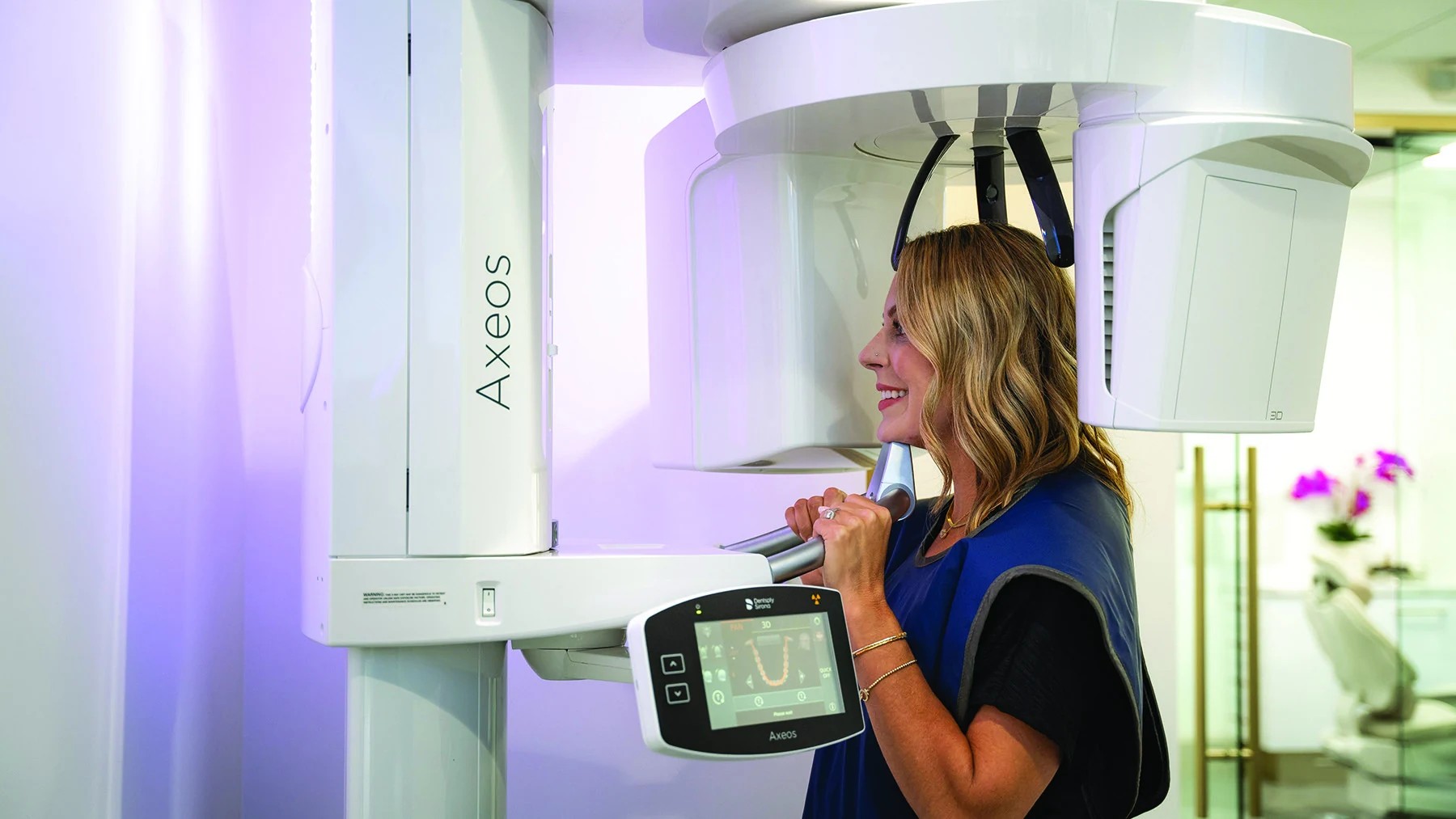
- Use 3D imaging when it adds clinically necessary information.
- Assess bone and soft tissue, not bone alone.
- Plan cleansability and maintenance.
- Discuss timing, grafting and alternatives before surgery.
Questions worth asking at a consultation
A useful consultation should leave you understanding the condition, the consequences of doing nothing, reasonable alternatives, anticipated benefits and limitations, treatment sequence, maintenance, and what factors could change the plan.
Is this article medical advice?
No. It is general educational information. Diagnosis and treatment recommendations require an examination by a qualified dental professional.
Can I use this information to choose treatment?
Use it to prepare questions for your dentist. The correct treatment depends on your individual oral health, anatomy, risks and goals.